
Vietnam for Beginners: Everything to Know Before You Go
Discover when to visit, how long to stay, transportation tips, costs, safety advice, and cultural basics before your trip.
Vietnam is one of those places that surprises travelers in the best possible ways. The country delivers stunning natural scenery, fascinating cultural experiences, and food that will have you thinking about it months after returning home. Many people hesitate to visit because they worry about language differences or unfamiliar customs. The truth is that Vietnam has become incredibly welcoming to international visitors over the past decade. This guide breaks down everything you need to know to feel confident and prepared for your adventure.
How Long to Spend in Vietnam
Two weeks gives you a solid amount of time to see the country's highlights without exhausting yourself. You can explore the busy streets of Hanoi, cruise through the limestone islands of Halong Bay, wander the historic town of Hoi An, and experience the energy of Ho Chi Minh City. This pace lets you actually enjoy each place rather than just checking boxes on a list. With Vietnam Escapes, you can check your tour options as well to find itineraries that match your travel style. Spending that time focused on one area means you can dig deeper into the local culture and come away with meaningful experiences.
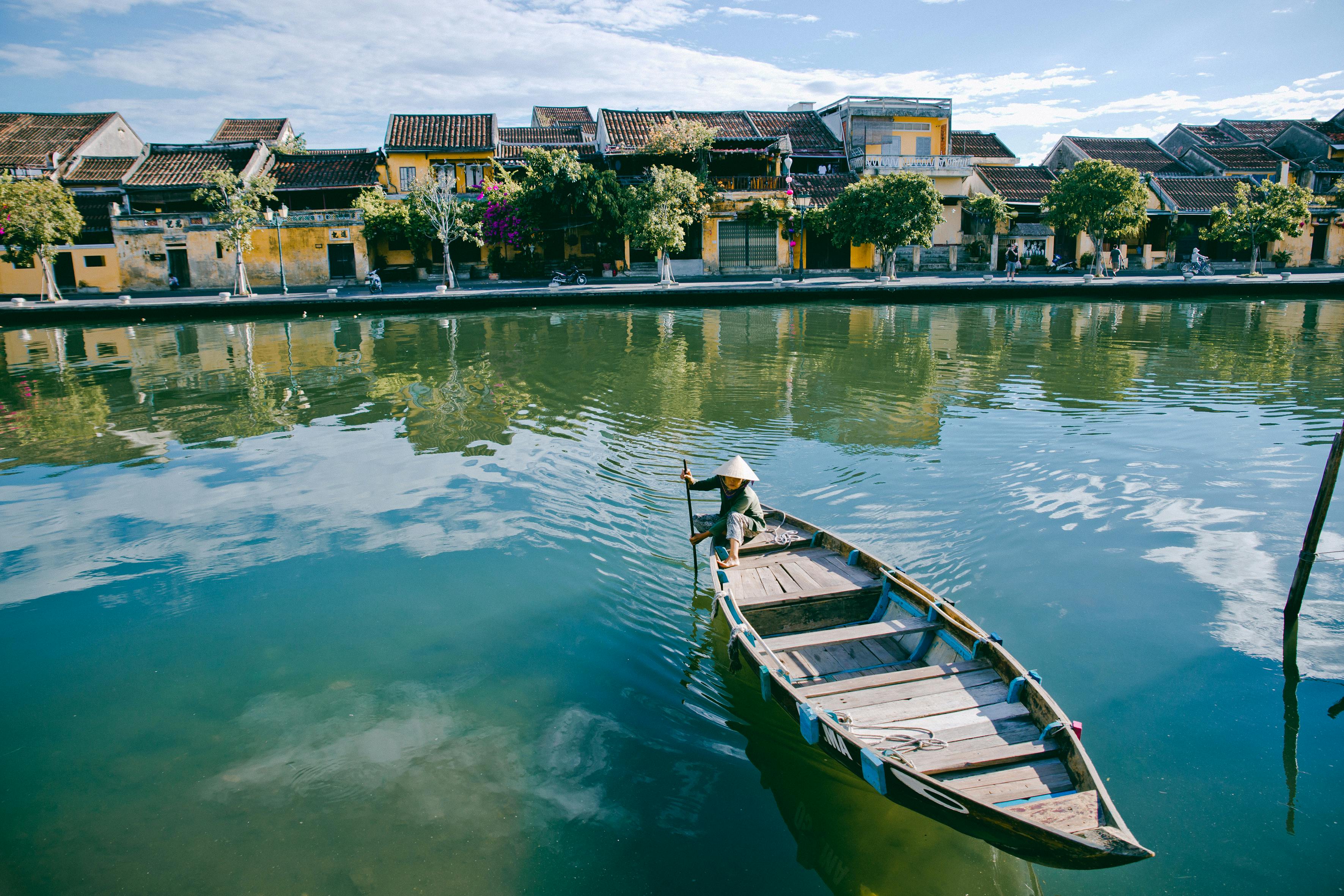
Hoi An riverside boat
Getting Around the Country
Vietnam has a solid transportation infrastructure that makes traveling between cities pretty straightforward. Domestic flights zip between major destinations in about an hour and cost less than many travelers expect. Bus companies run modern, comfortable vehicles with air conditioning to practically every corner of the country. Train service has gotten much better recently, offering clean cars and windows that showcase beautiful countryside views. Inside cities, using Grab is incredibly convenient since it works just like ride-sharing apps anywhere else. You can also find motorbike taxis for quick trips, though the chaotic traffic takes some getting used to.
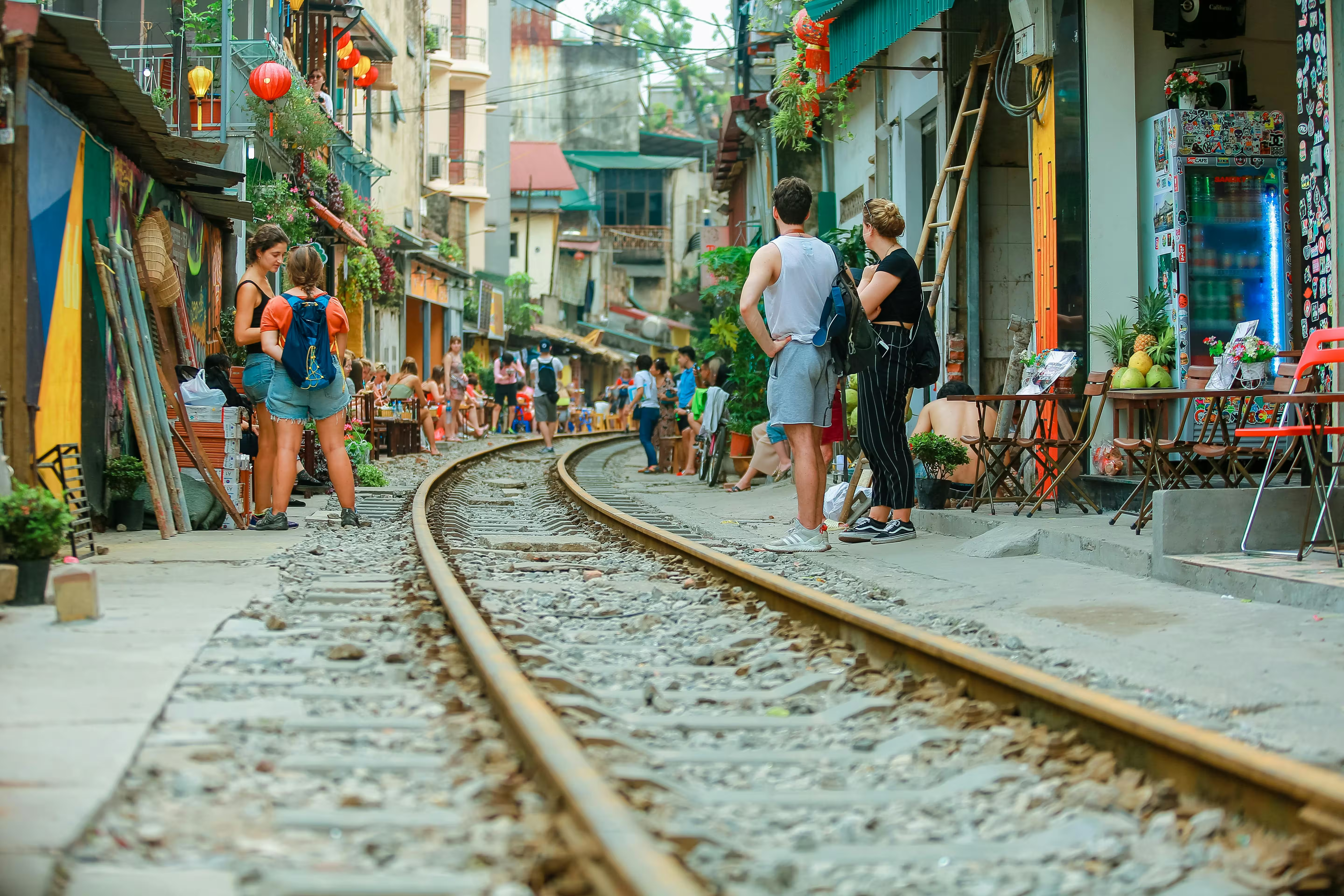
Hanoi train street tourists
Best Times to Visit Different Regions
Vietnam's weather is more complicated than you might think because the country stretches so far from north to south. Northern areas like Hanoi actually get cold during winter, with temperatures dropping low enough that you will want a jacket in the evenings. Summer up north brings heat and humidity, along with afternoon thunderstorms that cool things down. The central coast around Hoi An and Hue sees heavy rain between October and December, which can cause flooding on the streets. Southern Vietnam near Ho Chi Minh City stays warm all year but gets significant rainfall from May through September. March and October tend to be the ideal months since the weather stays pleasant across most of the country during these times.
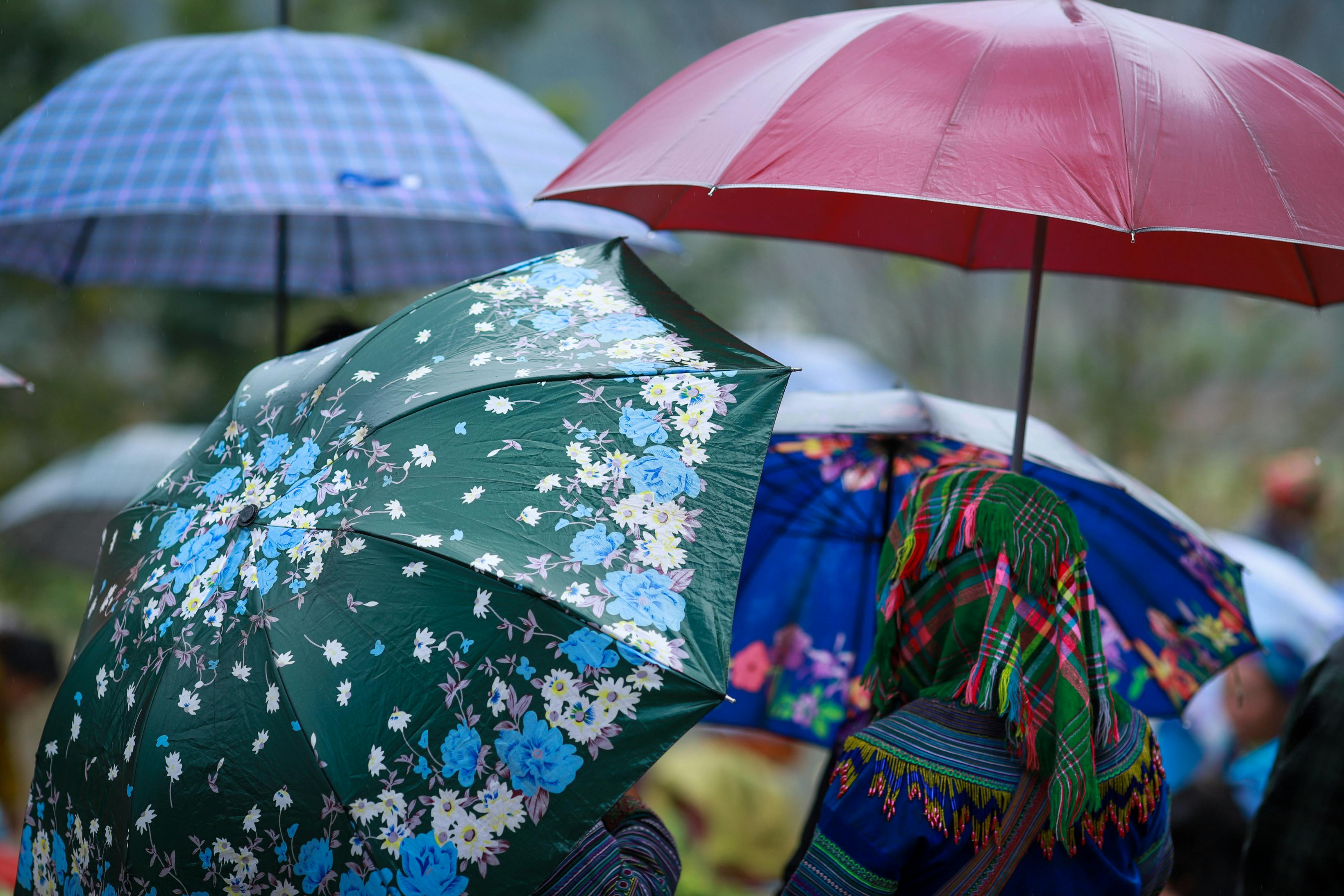
Colorful umbrellas in rain
Managing Money and Expenses
The Vietnamese dong will make you feel wealthy, at least when looking at the numbers on bills. Exchange rates sit around 24,000 dong per US dollar, which means buying lunch might cost 80,000 dong, even though that equals just a few dollars. You adjust to all those zeros faster than expected. ATMs appear frequently in cities and tourist spots, letting you withdraw local currency whenever needed. Most machines cap withdrawals somewhere between four and nine million dong at once. Hotels and airports exchange money, but usually charge higher fees than local exchange shops do. Cash remains important since many smaller restaurants and shops have not started accepting credit cards yet.
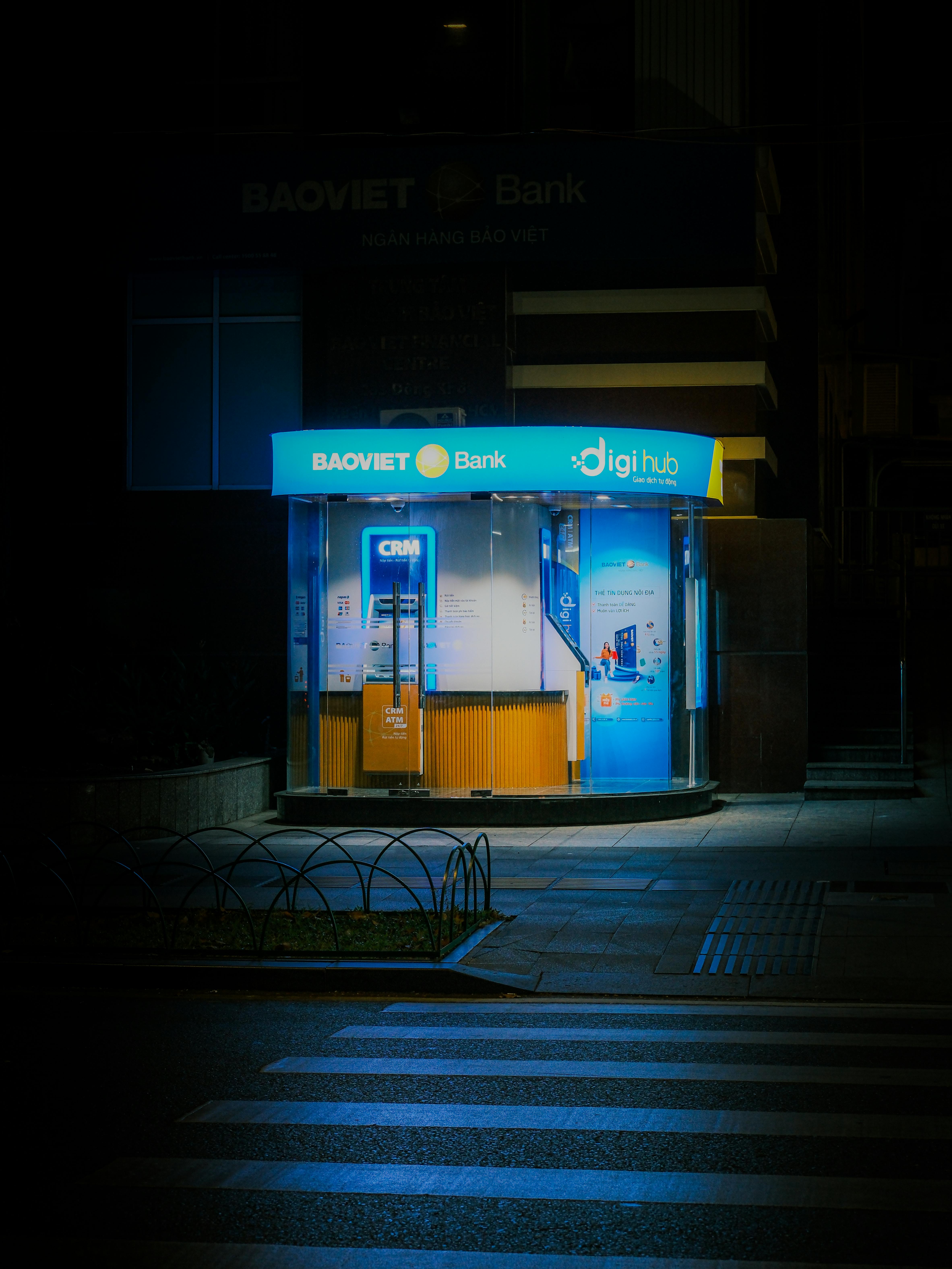
Vietnamese ATM at night
Internet Access and Mobile Phones
Staying connected in Vietnam is easier and cheaper than in many countries. Hotels across all price ranges include free wireless internet these days, and the speeds are usually good enough for video calls. Cafes and restaurants in tourist areas also provide internet access, though you might need to ask staff for the password. Buying a local SIM card at the airport is worth doing if you want data while exploring. Tourist SIM packages come loaded with plenty of data for several weeks and cost around ten dollars. Setting one up takes maybe five minutes and just requires showing your passport. Having mobile data makes everything simpler, from using maps to translating menus to sharing photos with friends back home.

Tourist with eSIM phone
Staying Safe While Traveling
Vietnam ranks as a safe destination where serious problems with tourists are uncommon. Most safety concerns involve pickpocketing in crowded areas rather than violent crime. Keeping your bag zipped and staying aware of your surroundings prevents the majority of issues. A crossbody bag works better than a backpack because it stays in your line of sight. Avoiding dark, empty streets late at night makes sense in any unfamiliar city. The biggest adjustment for most visitors involves the traffic, which operates by rules that seem completely different from back home. Motorbikes fill every street and treat traffic signals more like suggestions than requirements. Crossing roads feels intimidating at first, but moving at a steady pace helps drivers flow around you. One important health tip is never to drink tap water, which will likely make you sick even if locals drink it safely.
.avif)
Busy Hanoi traffic intersection
Learning the Language Basics
Vietnamese looks more approachable than many Asian languages since it uses regular alphabet letters instead of unique characters. You can actually read signs and menus, even if pronouncing them correctly takes practice. The grammar keeps things simple with no verb changes based on who is talking or when something happened. The tricky part comes from the tone system, where the exact same sound means completely different things depending on voice pitch. Six tones exist in Vietnamese, and getting them right requires serious effort. Even so, locals really appreciate it when visitors attempt their language, even with terrible pronunciation. Learning just a handful of phrases like hello, thank you, and excuse me makes daily interactions warmer and shows respect. Most people in tourist areas speak some English, but knowing basic Vietnamese opens more doors.
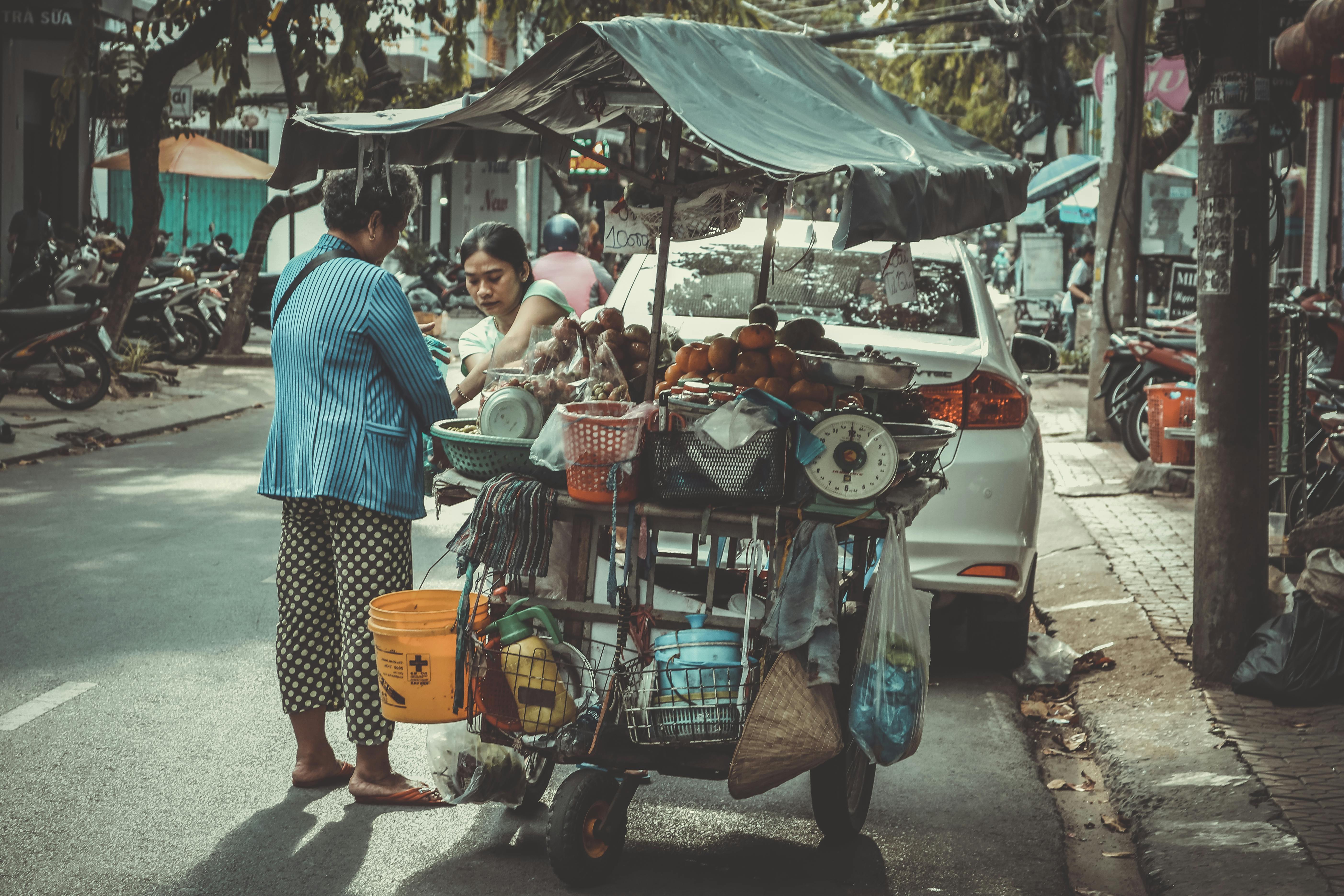
Street vendor with bicycle talking to a tourist
Understanding Local Customs
Vietnamese culture runs on principles of respect and proper behavior in public settings. Temples and pagodas require clothing that covers the shoulders and knees before entering. Shoes must come off before stepping into homes and certain traditional restaurants. Street food stands out as one of the best parts of visiting Vietnam, with vendors serving incredible dishes for very little money. The safest approach is eating at stalls where you see lots of local people, since they know which ones serve the freshest food. Traffic in cities looks absolutely wild to newcomers, with motorbikes weaving everywhere and seemingly no order. The system actually works once you understand that drivers expect steady, predictable movement from pedestrians. Respecting these cultural norms helps you blend in better and avoid awkward moments.
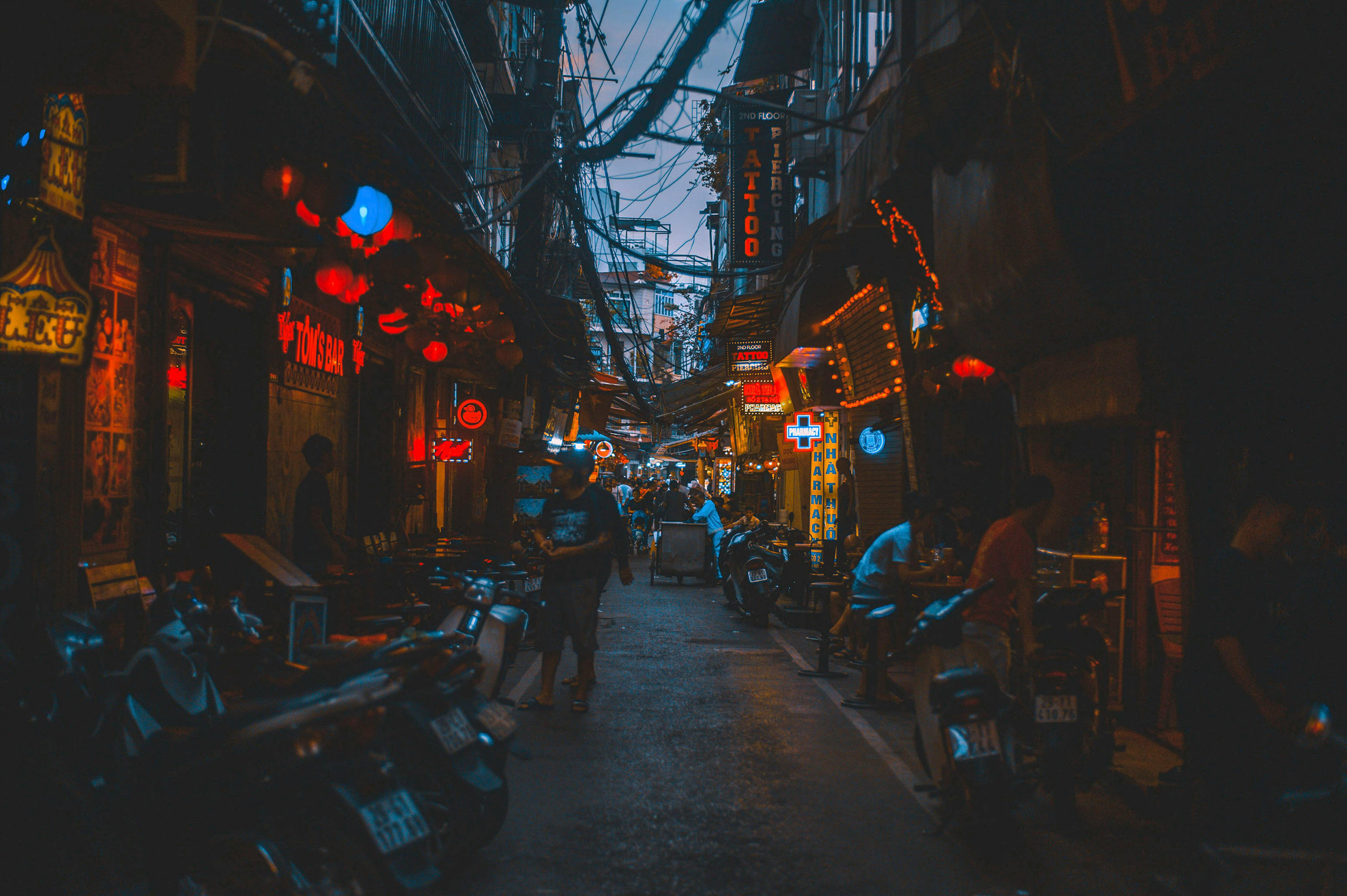
Lantern-lit narrow alley
Conclusion
Vietnam stops being intimidating once you understand these essential aspects of traveling there. Knowing what to expect with transportation, weather, money, and cultural practices removes most of the anxiety. With this foundation in place, you can focus on soaking up the incredible experiences that make Vietnam such a memorable destination.
Continue Reading
Discover more travel guides and inspiration for your next adventure

Experience Nepal: Mountains, Jungles & Culture
Discover Nepal’s magic with an experience-first approach! From Mustang’s mountain retreats to Chitwan’s wildlife and warm hospitality.

How to spend a two perfect days in London
Discover how to spend 48 unforgettable hours in London! Explore top attractions, hidden gems, and local favorites in this perfect 2-day travel guide.

Redefine Luxury With a Vacation in The Maldives
Redefine luxury with a vacation in the Maldives, where pristine white-sand beaches, crystal-clear turquoise waters, and overwater villas create a paradise like no other.